CNC plasma, tube and profile cutting
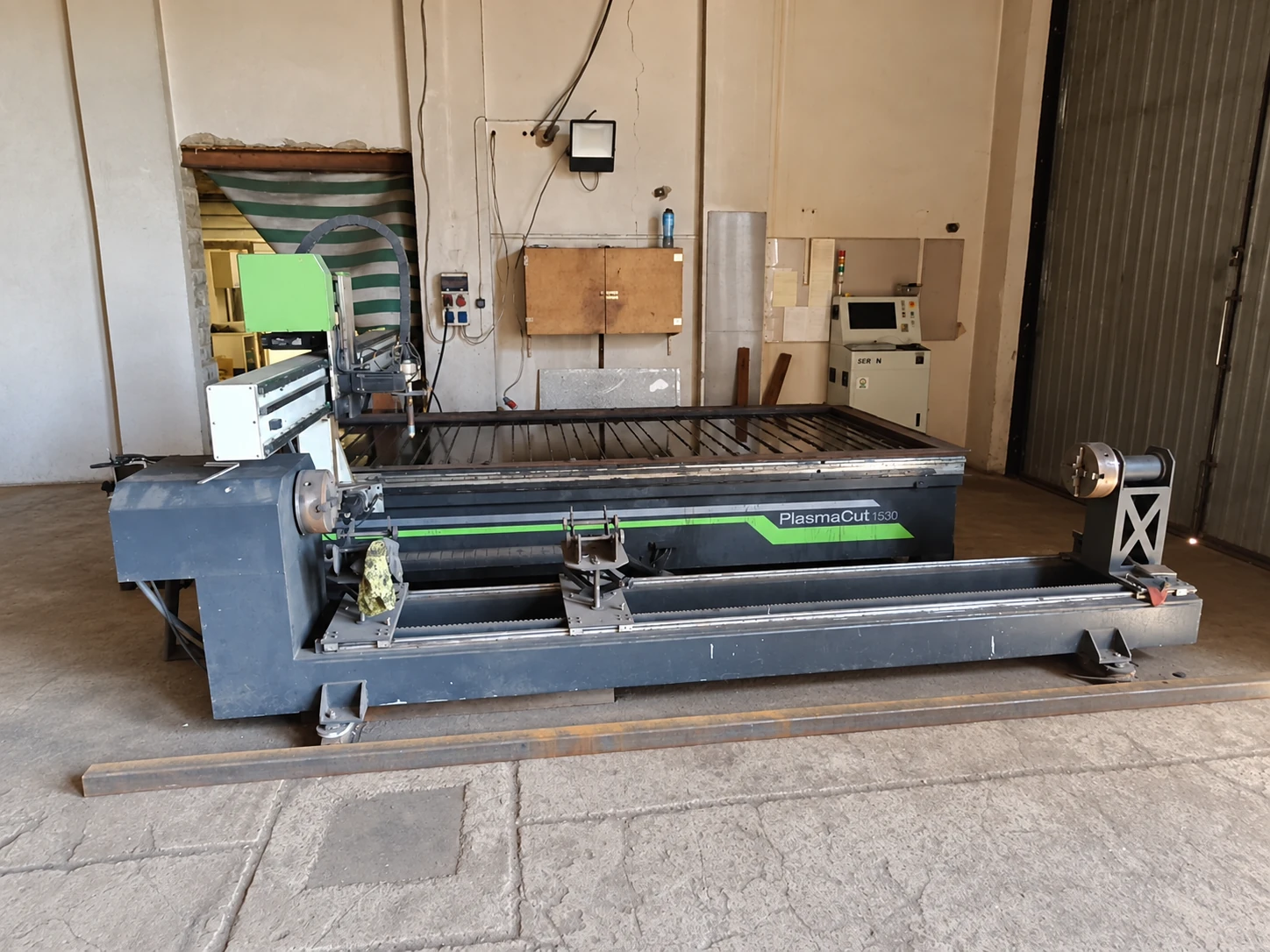
We cut steel to customer documentation — from thin components to very thick plate. The process is selected according to material, geometry, required edge quality and subsequent operations.
Send a technical enquiry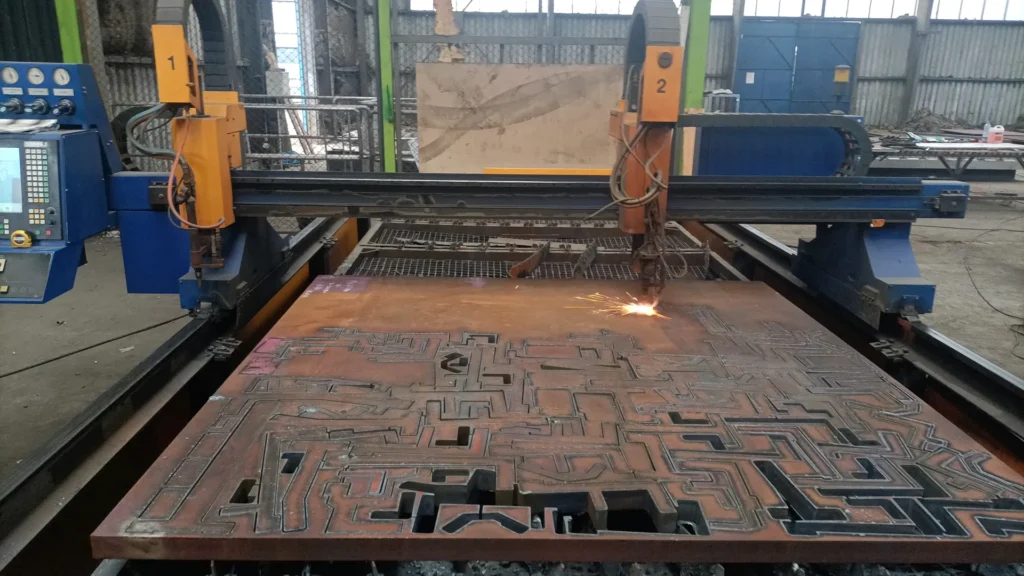
Confirmed capabilities
Scope of service
- cutting of one-off parts, series and structural blanks,
- selection of plasma or oxy-fuel cutting by thickness and steel grade,
- manufacture from DXF/DWG files, 3D models or PDF drawings,
- bending of plate, parts and profiles within an agreed technical scope,
- combining cutting with preparation, welding, machining and assembly.
What to include in an enquiry
- Attach a drawing or model and specify the material grade.
- Provide thickness, quantity and required delivery date.
- Identify edge, machining allowance and follow-on process requirements.
- We will confirm the suitable process and feasible bending scope.
The 1–500 mm range describes the combined capability of the cutting technologies. Not every thickness is available with every process; final process selection follows a review of the material and documentation.
Send documentation for quotation
We will respond with the proposed process, scope and lead time.
How we select the manufacturing process
Material, geometry and downstream operations determine the process. These descriptions explain the differences; manufacturing parameters are confirmed after reviewing the documentation.

Plasma cutting
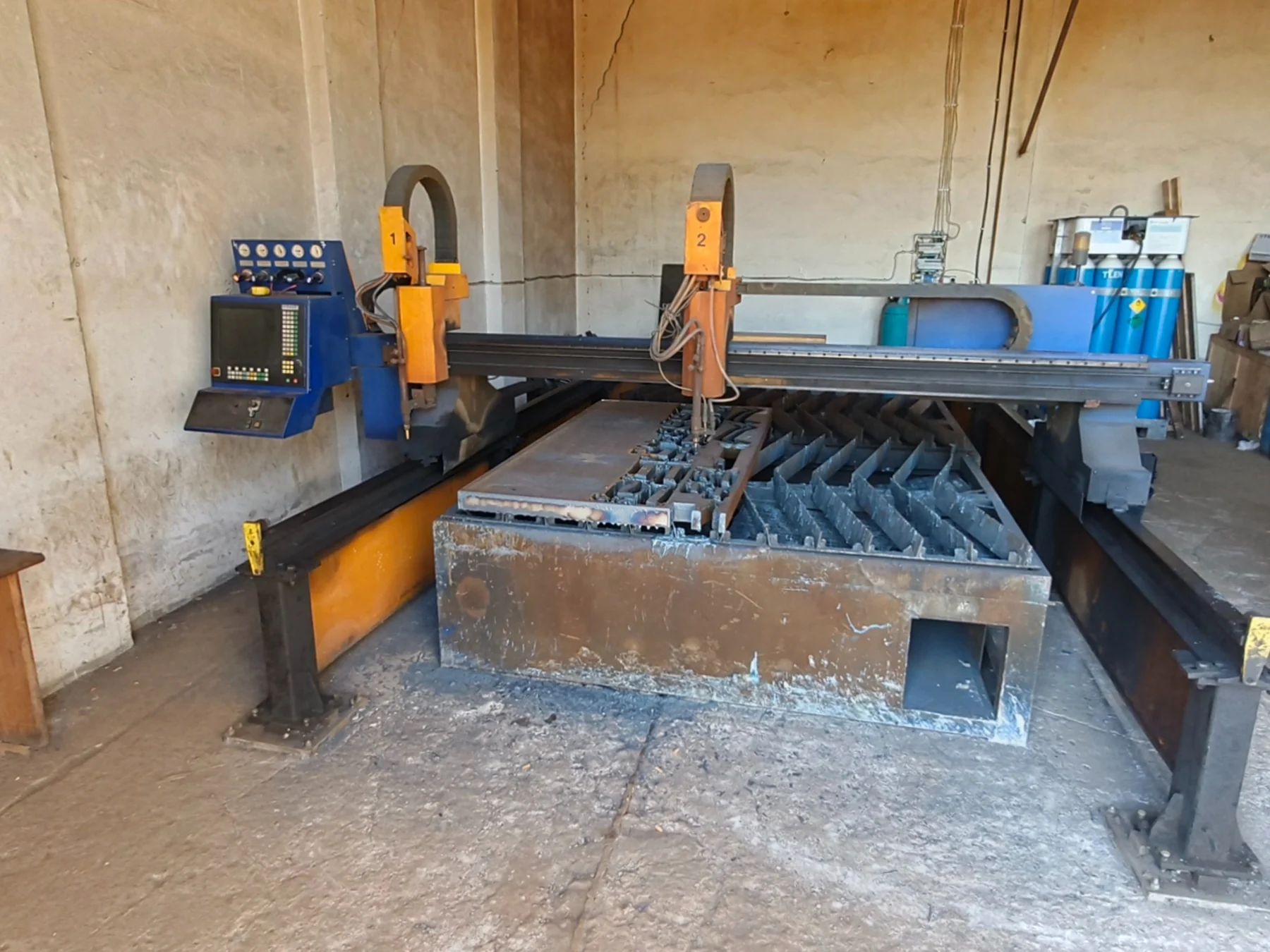
A plasma arc cuts electrically conductive materials. It is suitable for plate contours and, with the appropriate equipment, for tubes and profiles. Material grade, thickness, hole sizes and edge requirements determine the settings. Precision mating surfaces may require further machining.
Oxyfuel cutting
This process uses oxidation of heated steel and is primarily applied to suitable carbon steels. It is useful for thick plate. We consider the heat-affected zone, machining allowances and subsequent milling or weld-edge preparation.
Bending and component preparation
Bend radius, direction and flat-pattern development depend on material and geometry. We check lengths, tool access, springback and potential collisions before manufacture. Feasibility and any partner operations are confirmed in the quotation.
Welding, machining and finishing
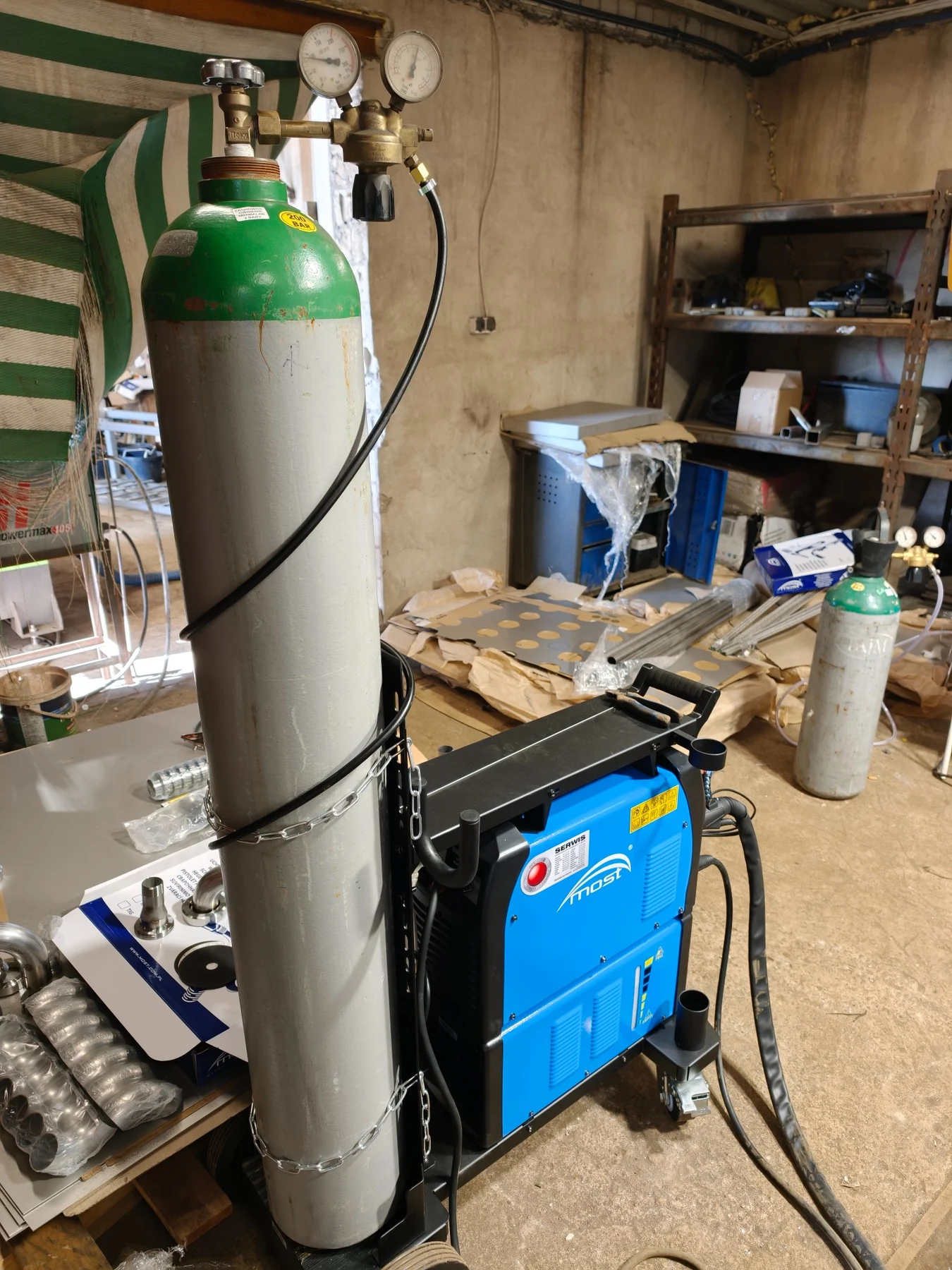
Cutting is often the first step. We can combine component preparation with welding, machining, shot blasting and painting. The operation sequence and dimensional inspection follow the documentation. Our own lathe and milling machine are complemented by partner CNC capacity for large components.
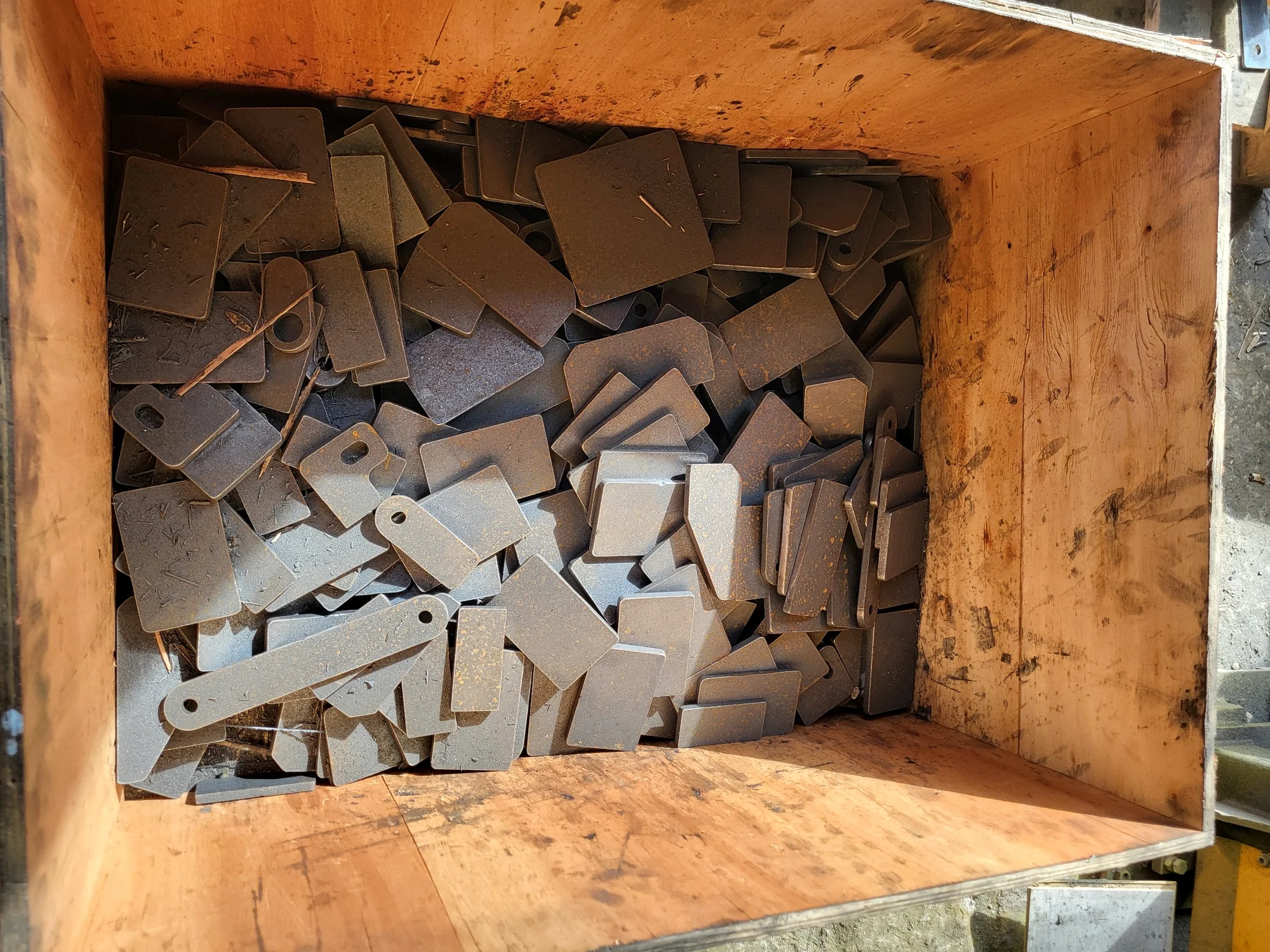
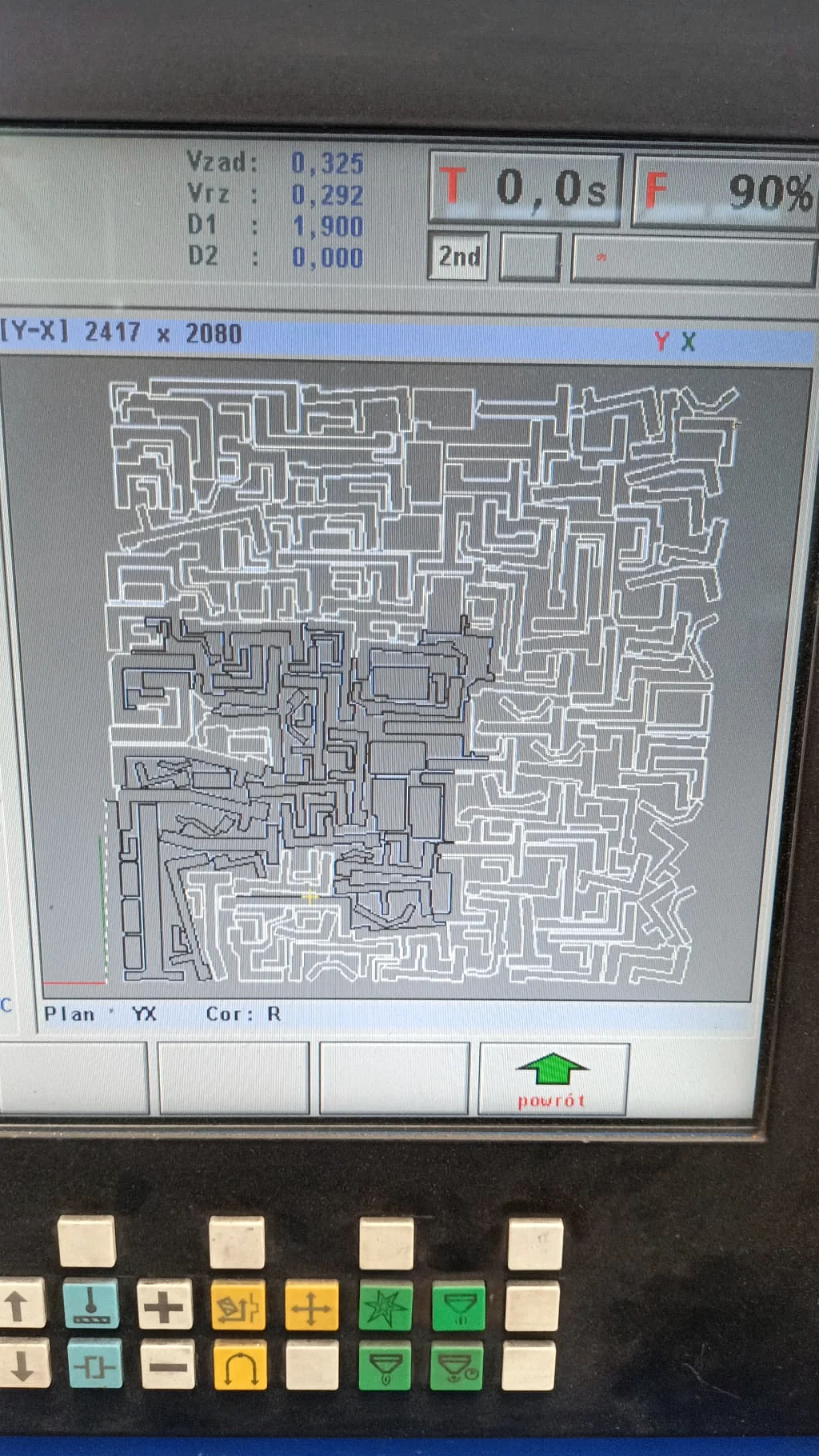
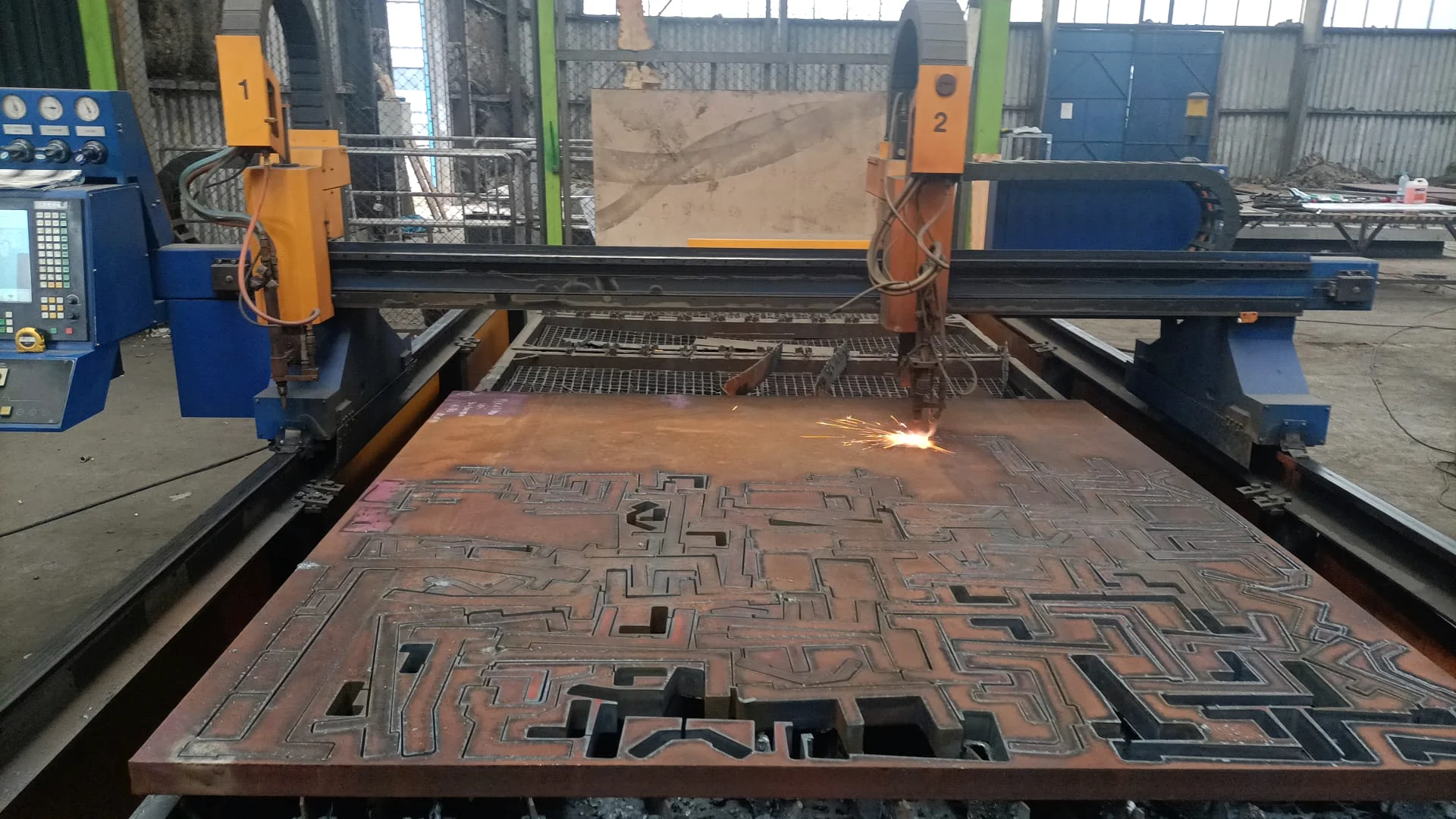
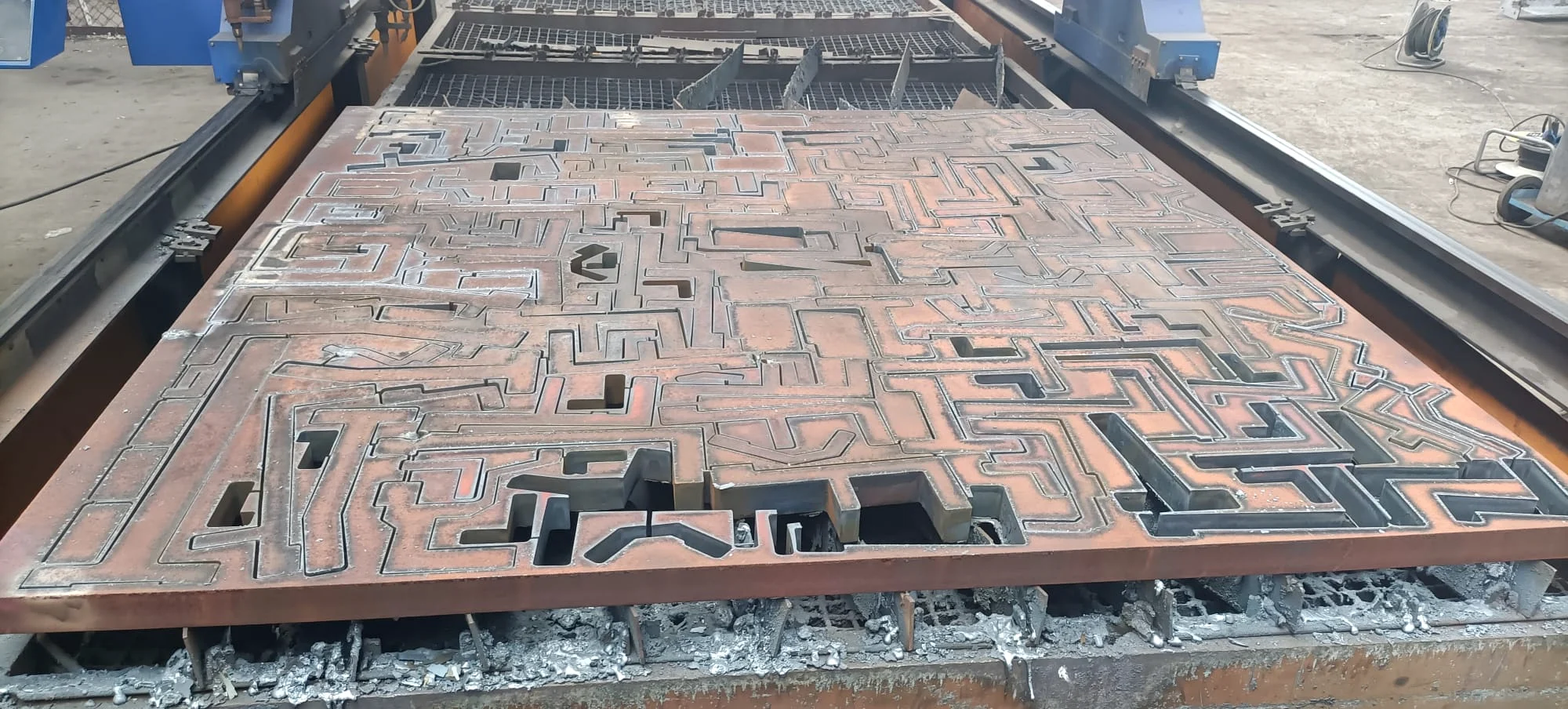
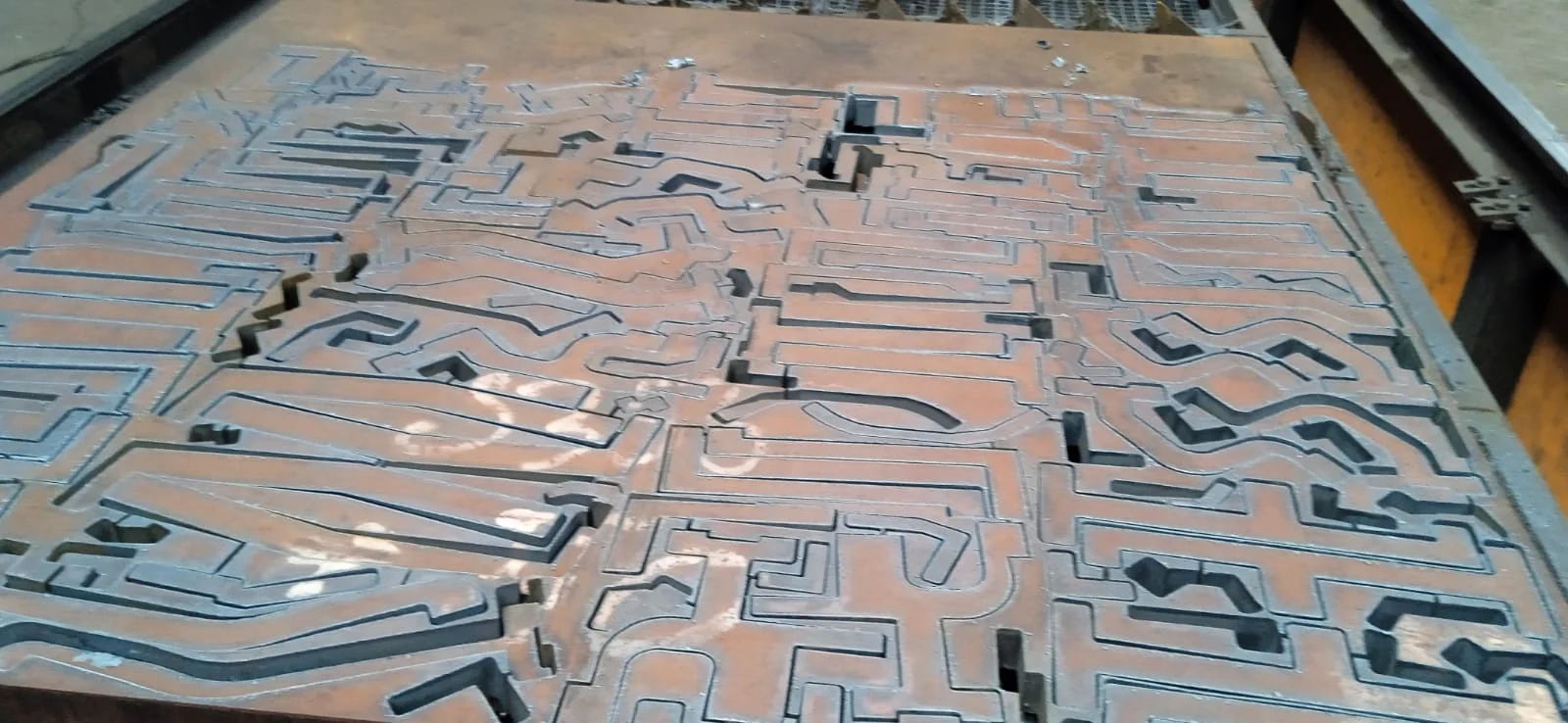
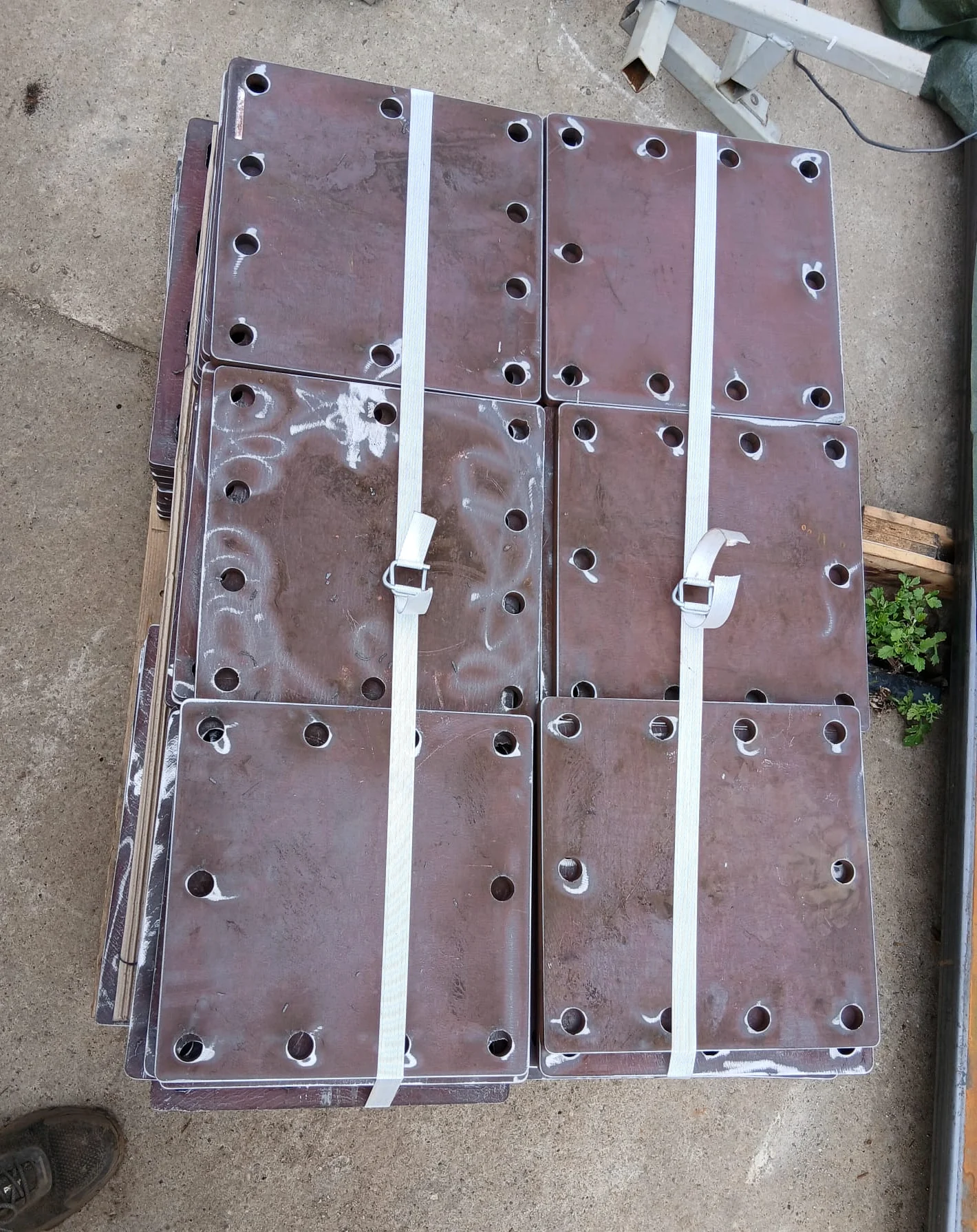
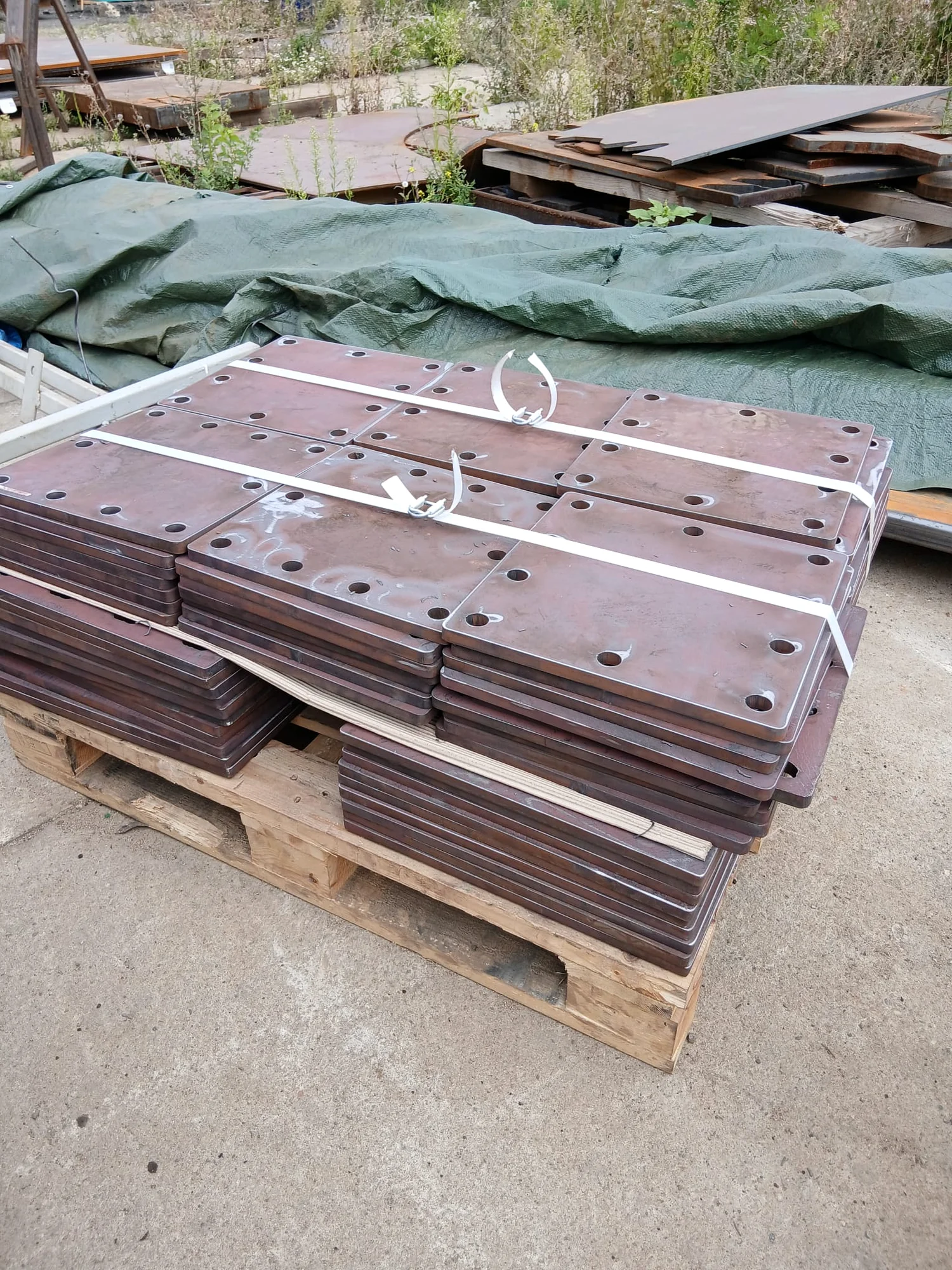
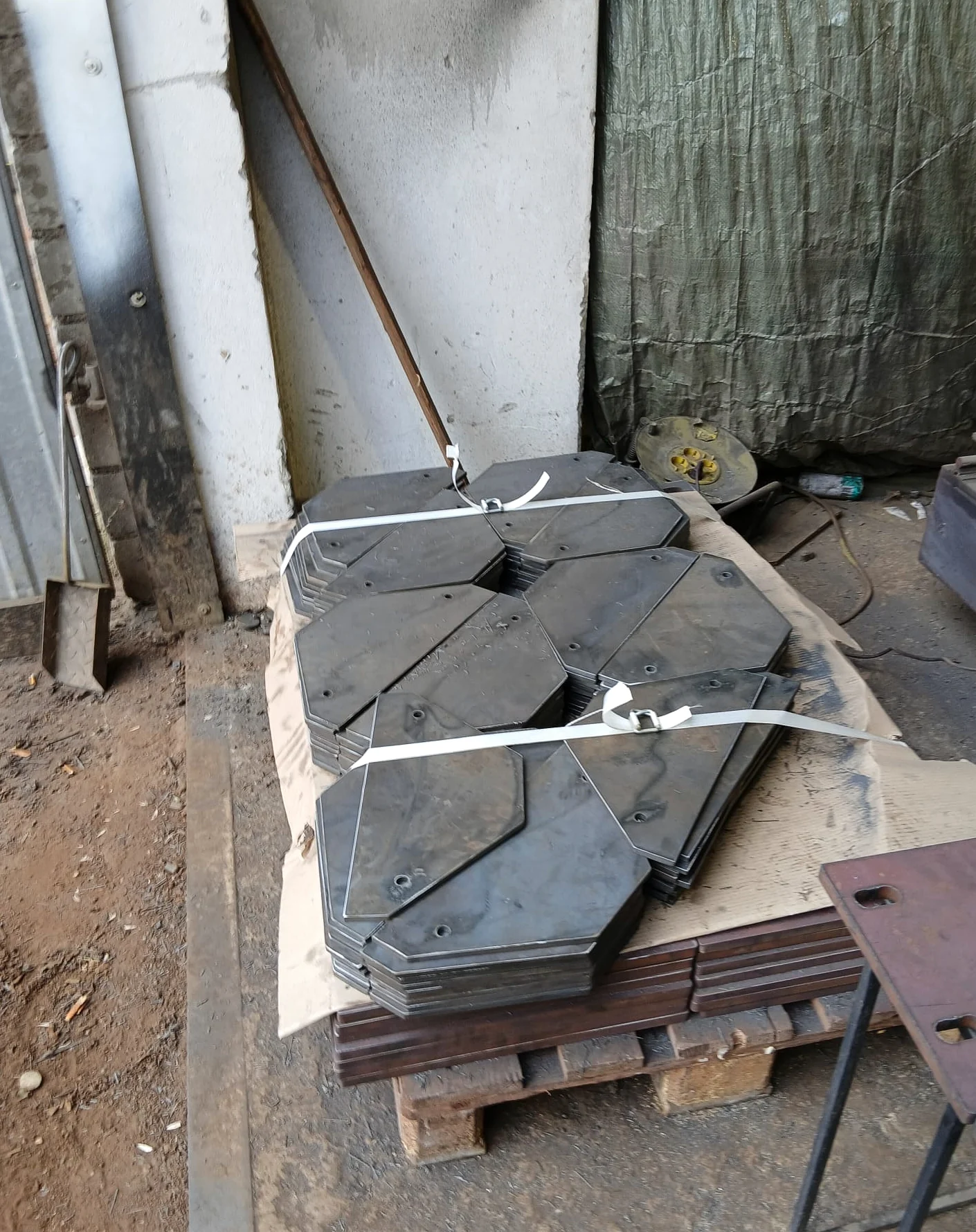
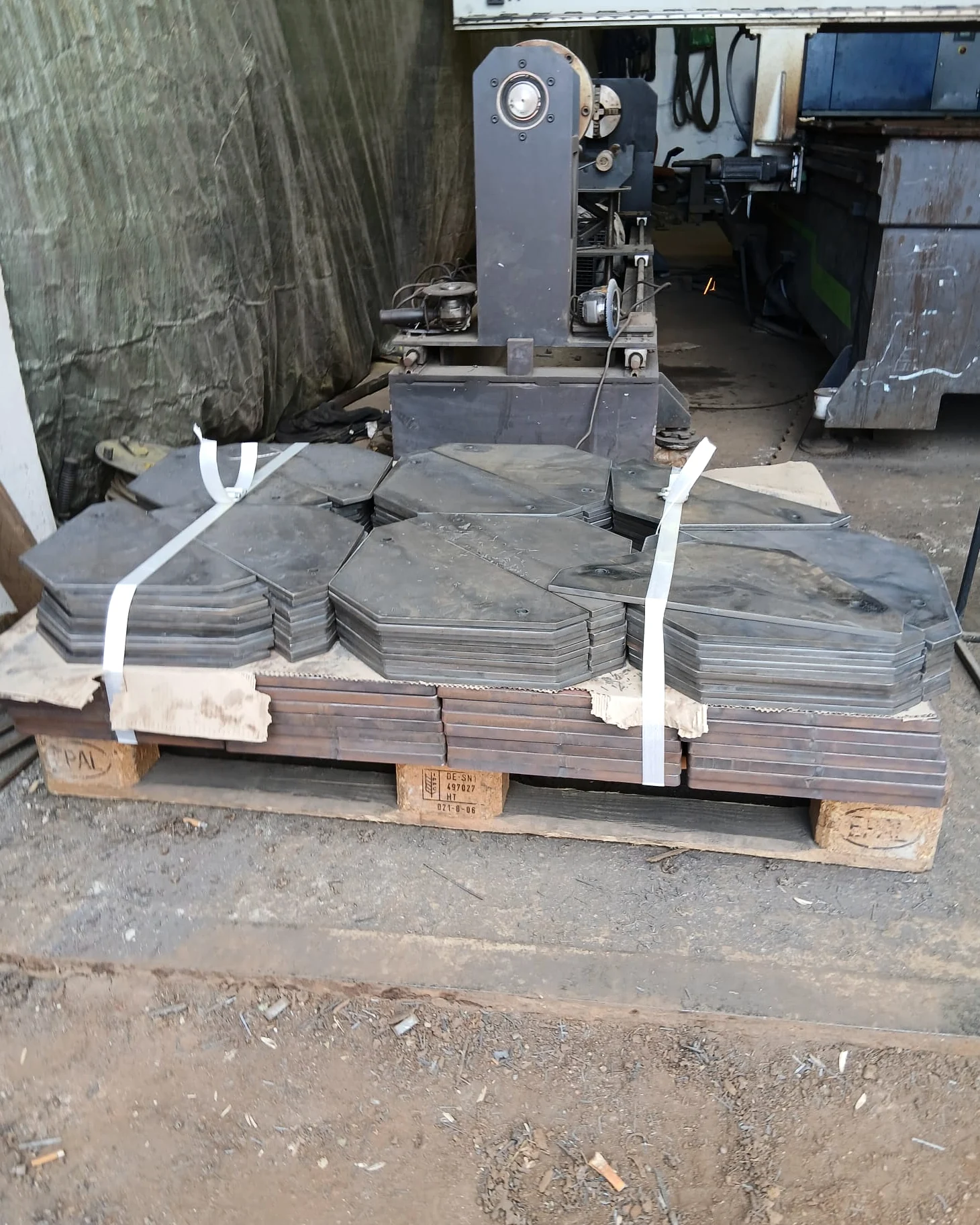
Cutting process and finished components
Selected photographs of steel cutting, plate nesting and batches of components prepared for further production.
The photographs show genuine Fritech processes and components. Only light crop, exposure and sharpness correction was applied; component geometry was not altered.